Content
What problem are we trying to solve?
How does conventional ‘wellness’ fail?
What makes Mera different?
Meet the founders
More from Alex
More from Morgan

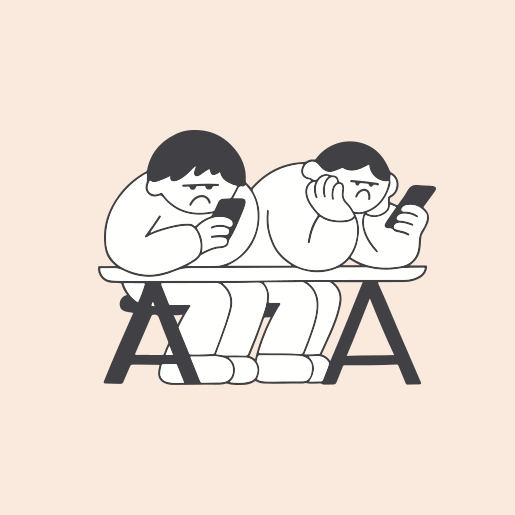
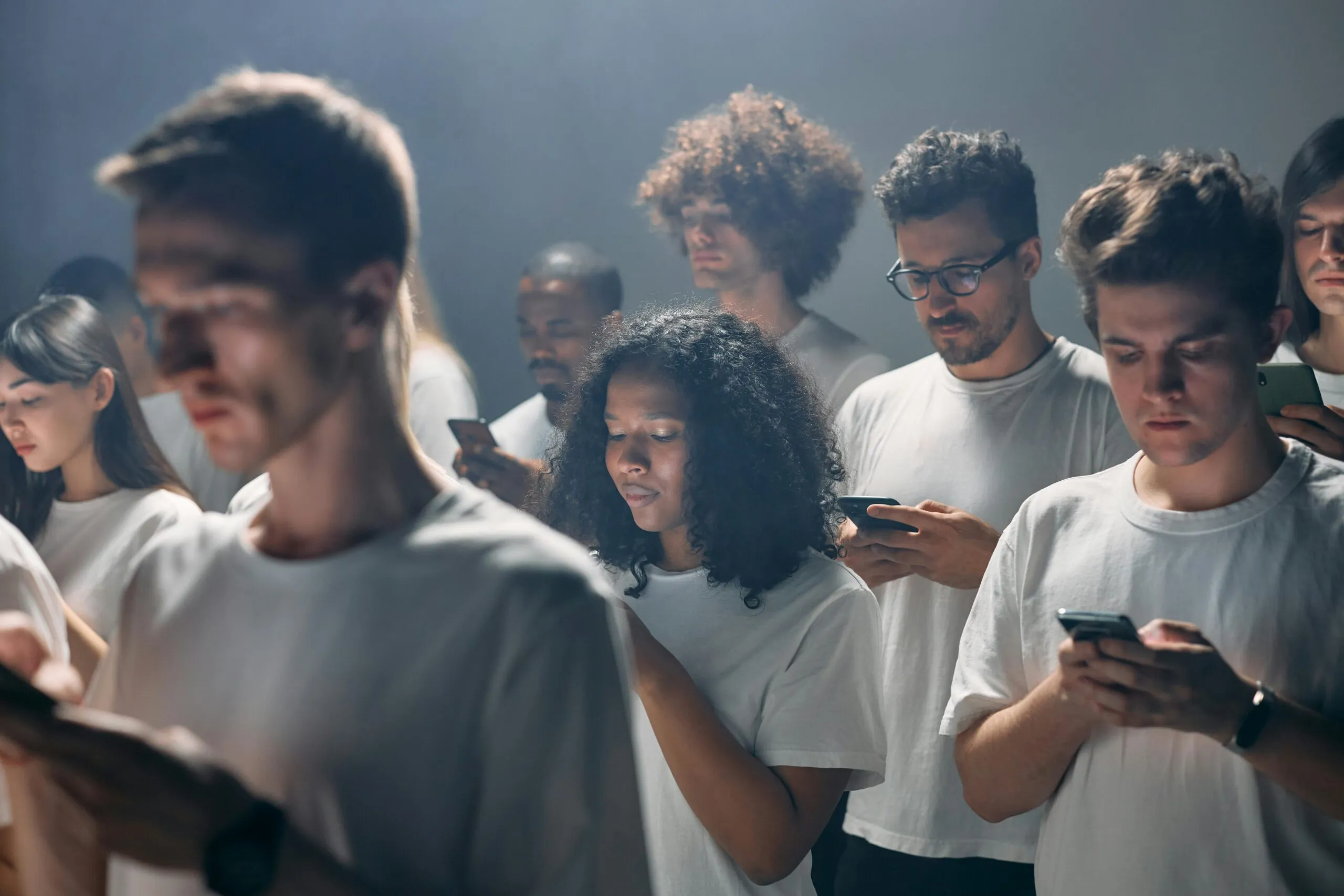
Today, almost every job has a digital component. Tech adoption has accelerated so quickly that the sustainability of this transition has been overlooked. What does unsustainable tech adoption look like? The data tells a clear story: people who sit most of the day face 74% higher odds of psychological distress (1), and nearly 1 in 6 sick days are linked to mental health (2). The problem is fundamentally social — but business suffers too. It’s no surprise that poor mental wellbeing costs UK employers a whopping £42–45 billion each year in lost productivity and poor employee retention.
Let’s not beat around the bush – modern wellness solutions are tokenistic. Active lifestyle apps, which track steps and heart rate, pull users deeper into the same digital loop that made them anxious, distracted and unproductive. AI therapist tools further isolate and desocialise users who are craving genuine human connection. Run-of-the-mill meditation apps aren’t much better, encouraging users to switch off by increasing their screen-time.
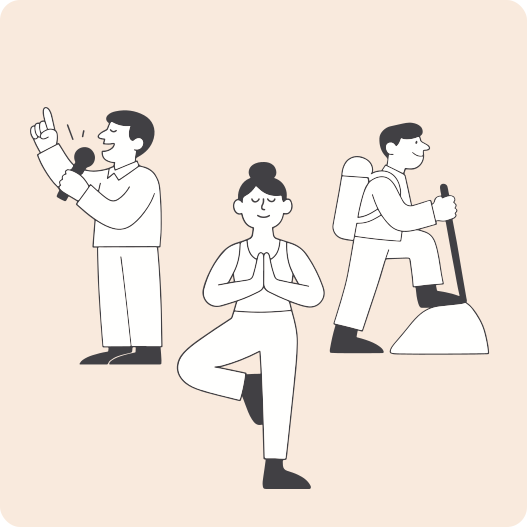
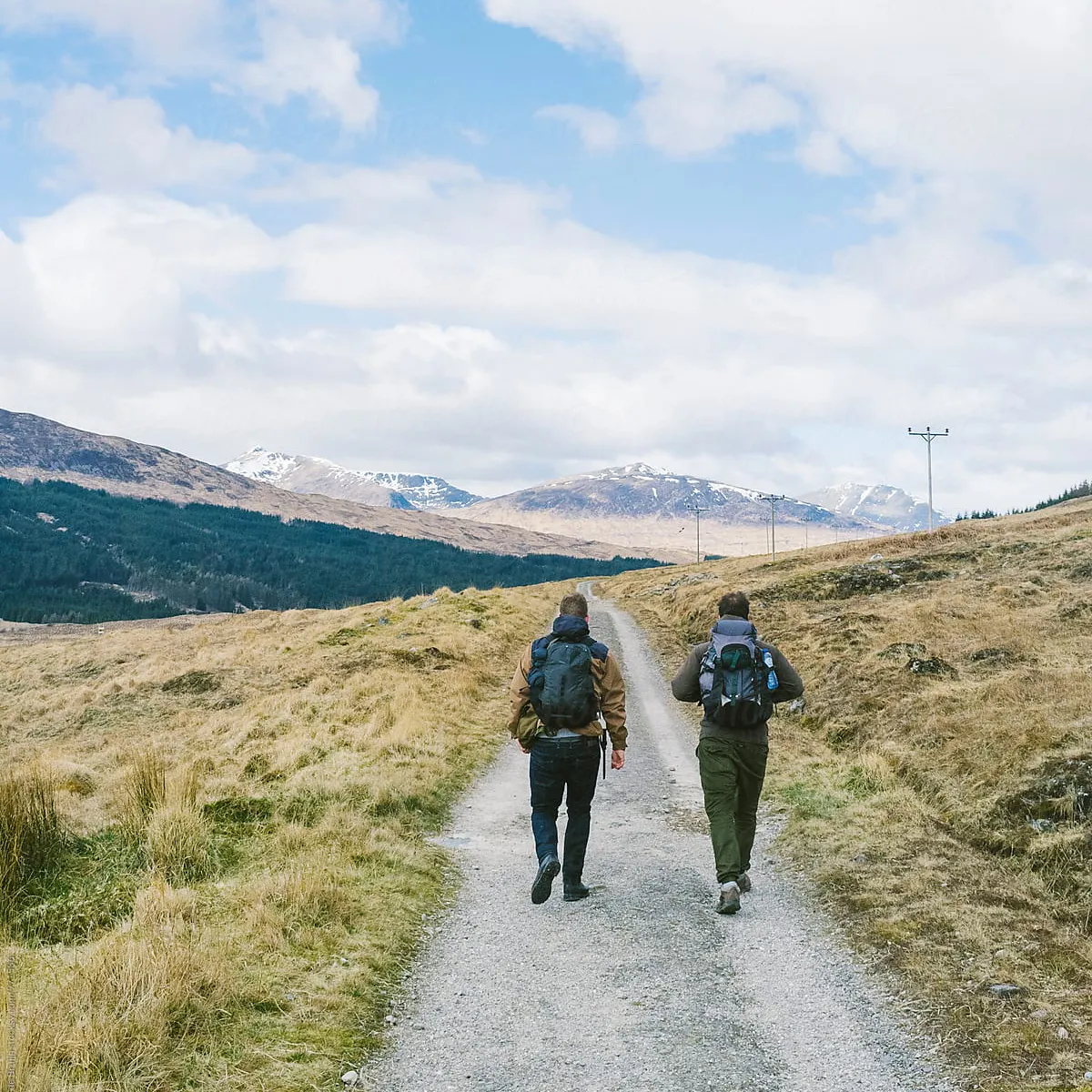
In each case the context is wrong. Wellbeing doesn’t come from more tools or data – it comes from broadening real-world experiences and reconnecting people with movement, nature and eachother.
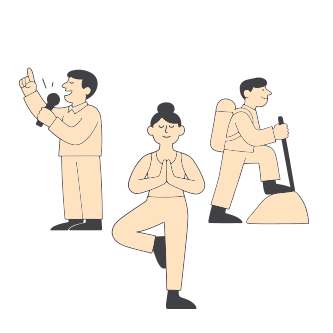
Our solution is to shift the focus from digital interventions to real-world experience. Every Mera programme is built to engage, reconnect and enrich people in a way that creates lasting behavioural change. Each session is guided by an expert and designed purposefully to implement our research. With a strong commitment to in-person classes, we never compromise on our belief that wellbeing begins in the body and not the cloud.
By designing experiences that move people – physically, mentally and socially – we aim to elevate how we live as friends, employees, parents, siblings, managers and humans.
Our founders, Alex and Morgan, met at the University of Leeds, where their friendship circled a common curiosity – how societies work, how they should work, and where they fall short.
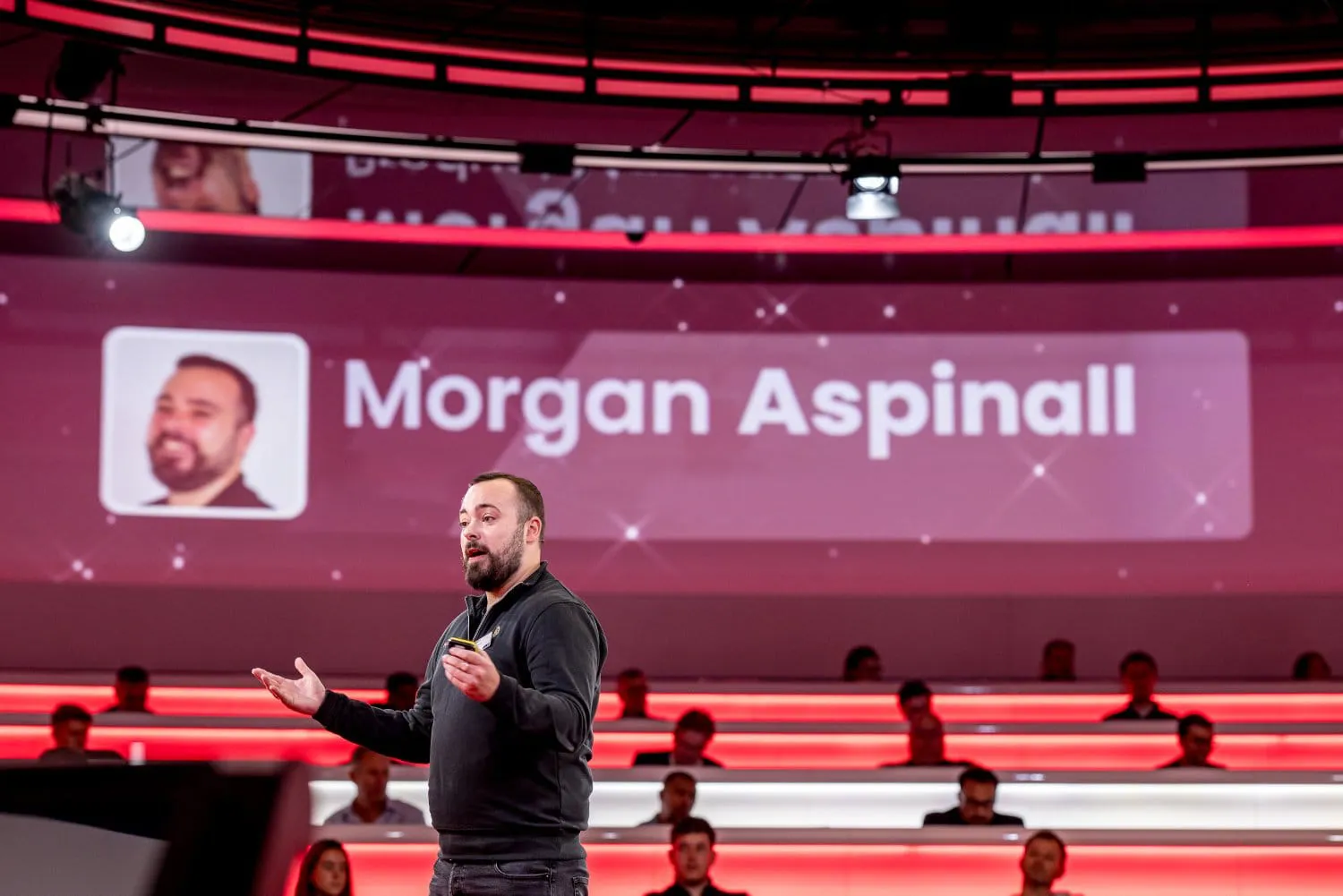
Both went on to build careers in technology, learning firsthand its incredible potential. Alex, an engineer, helped global brands create far-reaching digital solutions, while Morgan, a Head of Product, brought meaningful tools to international audiences.
With time came perspective. For all its merits, technology revealed the patterns it couldn’t fix – disconnection, burnout, and a quiet narrowing of real human experience. Mera exists to restore that balance.
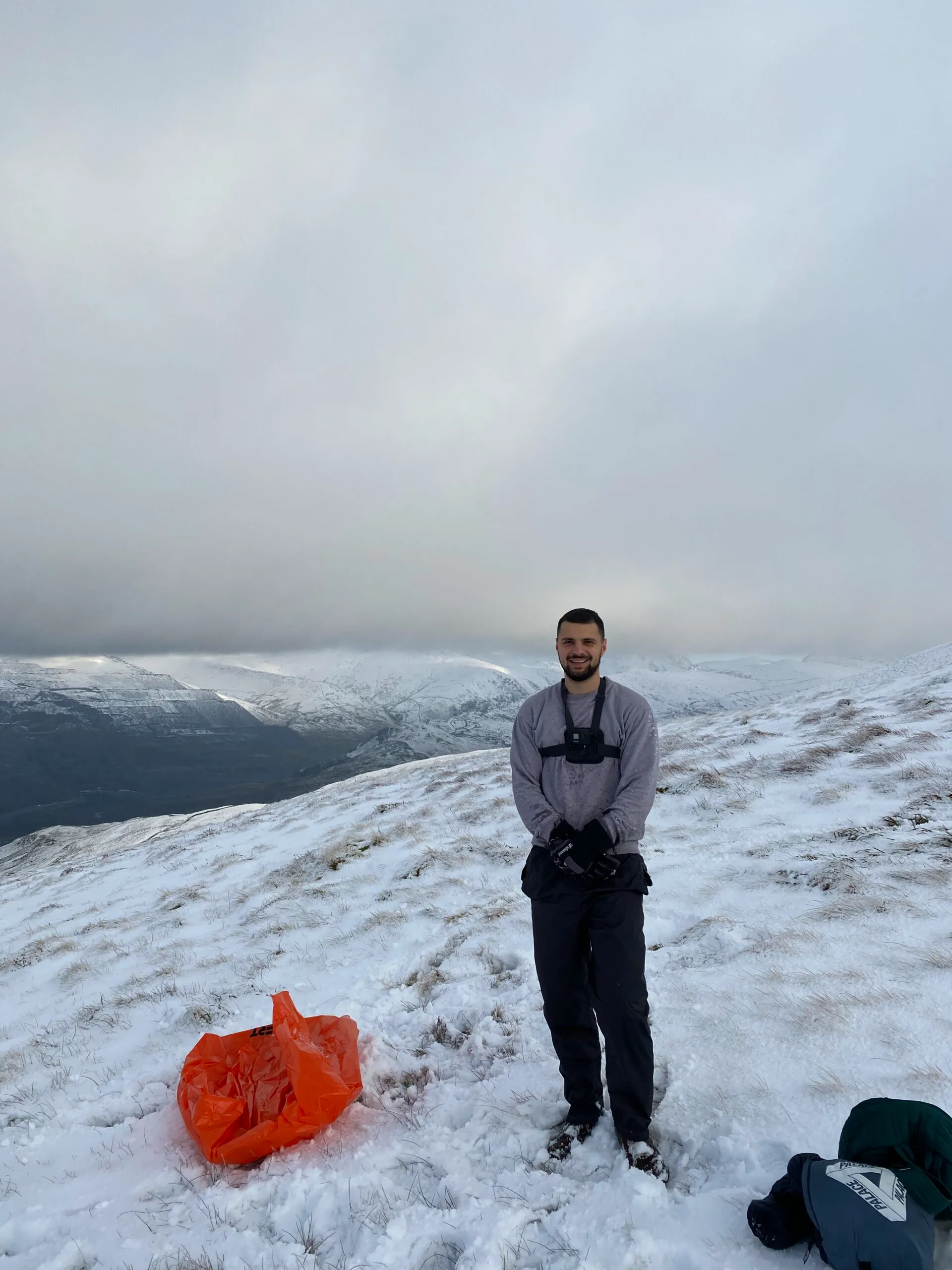
In 2024, after training like an athlete but with the unconditioned stiffness of a desk-bound nine-to-fiver, I wound up with a serious lumbar spine injury – and an even more serious question: how could something I did with ease as a teenager become dangerous in just over a decade? Then the penny dropped: I’d sacrificed my health for my job, and it wasn’t sustainable.
I don’t think tech itself is the culprit – it’s just a fancy word for man-made efficiency. Even a doorknob is technology. The issue is, as we’ve become seismically more plugged in, we’ve lacked the responsible guidance on which parts of our offline lives need conscious protection.
That’s all Mera is to me: responsible guidance and conscious protection.
I am and have always been fascinated by the world around me. In my early years, this took a logical form, leading me to attain my masters in Physics. I’ve since learnt that valuable knowledge isn’t limited to atoms and molecules, but very much includes the social frameworks developed throughout history that help people find health and alignment.
Before Mera, I worked for a company that valued the lifestyle of its employees as much as its bottom line. Mera is an opportunity to take something I have seen work incredibly within an organisation and offer it to wider groups of individuals and companies alike. Ultimately, I want to reach and help as many people as possible.
Content
What problem are we trying to solve?
How does conventional ‘wellness’ fail?
What makes Mera different?
Meet the founders
More from Alex
More from Morgan
Today, almost every job has a digital component. Tech adoption has accelerated so quickly that the sustainability of this transition has been overlooked. What does unsustainable tech adoption look like? The data tells a clear story: people who sit most of the day face 74% higher odds of psychological distress (1), and nearly 1 in 6 sick days are linked to mental health (2). The problem is fundamentally social — but business suffers too. It’s no surprise that poor mental wellbeing costs UK employers a whopping £42–45 billion each year in lost productivity and poor employee retention.
Let’s not beat around the bush – modern wellness solutions are tokenistic. Active lifestyle apps, which track steps and heart rate, pull users deeper into the same digital loop that made them anxious, distracted and unproductive. AI therapist tools further isolate and desocialise users who are craving genuine human connection. Run-of-the-mill meditation apps aren’t much better, encouraging users to switch off by increasing their screen-time.
In each case the context is wrong. Wellbeing doesn’t come from more tools or data – it comes from broadening real-world experiences and reconnecting people with movement, nature and eachother.
Our solution is to shift the focus from digital interventions to real-world experience. Every Mera programme is built to engage, reconnect and enrich people in a way that creates lasting behavioural change. Each session is guided by an expert and designed purposefully to implement our research. With a strong commitment to in-person classes, we never compromise on our belief that wellbeing begins in the body and not the cloud.
By designing experiences that move people – physically, mentally and socially – we aim to elevate how we live as friends, employees, parents, siblings, managers and humans.
Our founders, Alex and Morgan, met at the University of Leeds, where their friendship circled a common curiosity – how societies work, how they should work, and where they fall short.
Both went on to build careers in technology, learning firsthand its incredible potential. Alex, an engineer, helped global brands create far-reaching digital solutions, while Morgan, a Head of Product, brought meaningful tools to international audiences.
With time came perspective. For all its merits, technology revealed the patterns it couldn’t fix – disconnection, burnout, and a quiet narrowing of real human experience. Mera exists to restore that balance.
In 2024, after training like an athlete but with the unconditioned stiffness of a desk-bound nine-to-fiver, I wound up with a serious lumbar spine injury – and an even more serious question: how could something I did with ease as a teenager become dangerous in just over a decade? Then the penny dropped: I’d sacrificed my health for my job, and it wasn’t sustainable.
I don’t think tech itself is the culprit – it’s just a fancy word for man-made efficiency. Even a doorknob is technology. The issue is, as we’ve become seismically more plugged in, we’ve lacked the responsible guidance on which parts of our offline lives need conscious protection.
That’s all Mera is to me: responsible guidance and conscious protection.
I am and have always been fascinated by the world around me. In my early years, this took a logical form, leading me to attain my masters in Physics. I’ve since learnt that valuable knowledge isn’t limited to atoms and molecules, but very much includes the social frameworks developed throughout history that help people find health and alignment.
Before Mera, I worked for a company that valued the lifestyle of its employees as much as its bottom line. Mera is an opportunity to take something I have seen work incredibly within an organisation and offer it to wider groups of individuals and companies alike. Ultimately, I want to reach and help as many people as possible.
Enjoying our insights? Subscribe to receive weekly articles direct to your inbox
