
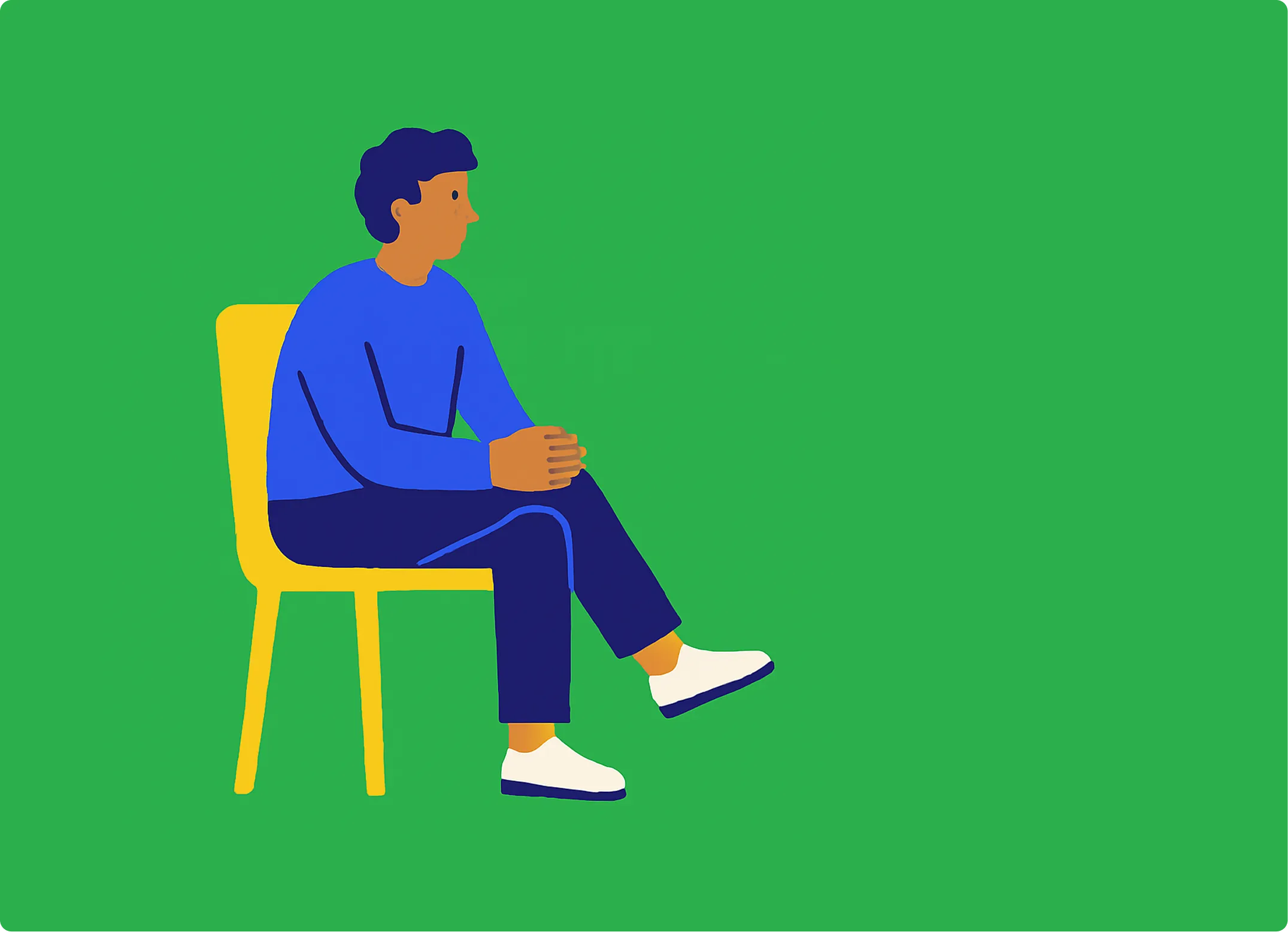
Is sitting really that bad?
In the social hierarchy of employment, professional service roles are deemed more desirable than manual vocations. Parents usher their children off to university in the hopes they’ll become advisors, analysts, engineers, or consultants rather than bricklayers, farmers, or tradespeople. Salaries go some way to explain this, but there also lies the belief that manual work is physically harmful in the long run. Until recently, society has failed to ask whether excessive sedentary work is physically harmful too.
In short, yes, sitting is harmful – and there’s an abundance of research in support. The World Health Organization (WHO) states there is moderately strong evidence that higher amounts of sedentary behaviour increase the risk for mortality and cancer. PMC adds that one’s “proportion of sedentary time was strongly related to metabolic risk,” which in turn increases the likelihood of “heart disease, diabetes, and stroke.” Frontiers in Surgery found that sitting for over six hours a day significantly increases the chance of a disc herniation in young people. In sum, it’s bad for your organs, it’s bad for your joints, it causes cancer, and even young adults aren’t immune. The fact that we need to sit to make a living warrants a thoughtful solution.
“It’s bad for your organs, it’s bad for your joints, it causes cancer… even young adults aren’t immune”
Are ergonomic chairs and standing desks effective?
If you’ve ever taken a trip to Herman Miller – the luxury ergonomic chair retailer – their sales team, through use of biomechanics jargon, will have you believe there is such a thing as “proper sitting.” Feet flat on the floor, thighs parallel to the floor, knees at ninety degrees, elbows bent at ninety degrees, shoulders relaxed, working surface at elbow height… The idea is that through proper posture, you protect your body from the hazards of sitting. However, the poor blood flow, uneven muscle activation, and heavy joint loading that make sitting harmful are all features of sitting upright, too. It follows that ergonomic superchairs can’t shield us from the hazards of sitting, irrespective of whether your £2,000 Herman Miller has you jerked upright like a meerkat.
What about standing desks, you might ask? Unfortunately, this solution also misses the point. Long, static standing produces similar mechanical and circulatory stresses to long, static sitting. This literature review shows links between long periods of standing and lower back pain, leg pain, and cardiovascular problems. It becomes clear that it is not sitting itself, but the very nature of sitting – i.e. a prolonged static posture – that damages a system that was built to be constantly moving, at least when performing tasks.
The more you move, the less of a problem this becomes. That scary WHO mortality study discussed earlier goes on to explain that the association between sedentary lifestyle and mortality varies by the level of moderate-to-vigorous physical activity undertaken. In other words, sedentary workers who were at least moderately active were relatively less likely to suffer the consequences of sitting than those who weren’t. This is truly priceless research. Much to the delight of the slouchers among us, it’s less about how you sit than it is about your ratio of sitting to moving: slouching into your chair is fine so long as you remember to move.
Taking action
Gladly, you don’t have to quit your job, or carry guilt that you’re ruining the lives of the many people who work for you. You just have to move — consistently, consciously, and in direct correlation to the amount of time you sit. The alternative simply isn’t sustainable. A simple office poster or team email reminding your coworkers to go for a walk or stretch every 30 minutes can have a huge impact. Team classes are an effective way of taking this one step further: having your team stay fit together creates a culture of movement in your organisation that ripples outward.
If you don’t have the space in your office, or, as with many, are working from home, this doesn’t mean you’re restricted to isolated workouts. Companies saving on office rents have more financial flexibility, and an even greater responsibility to ensure that their employees have the opportunity to lead varied (and thus healthy) lifestyles. Weekly or monthly outdoor team activities are a great way to ease WFH staff into a culture of movement whilst also bringing some of the collaborative benefits of office settings.
Conclusion
The lesson here isn’t that sitting must be avoided, but that periodic stillness needs to be supplemented with movement. Ergonomic chairs and standing desks are only halfway solutions to a much deeper problem: we need to reimagine what professional service workflow looks like if it’s to sustain itself for decades to come. Specifically, we need to consciously weave movement into our lifestyles, irrespective of what job we do. So no, sitting isn’t the new smoking, because with conscious movement, we can sit and be healthy.
